Expert: Sheetal Rawal. Scientist (human genetics) | Founder of Apsara Skin Care
If you are not using oils in your skin care, you are missing out. Learn the reasons.
For years, the skincare industry trained many of us to think that oil was the enemy.
If your skin was oily, blemish-prone, or easily congested, the advice was almost always the same: avoid oils, dry the skin out, and look for anything labeled “oil-free.”
I believed this too.
There was a time when I was dealing with acne-prone skin, and I had heard so often that oils would make things worse that the idea became deeply ingrained in me. Even when I started formulating my own skincare, I still felt nervous about applying oils to my face.
But Ayurveda teaches something very different.
Ayurvedic skincare has always respected the importance of nourishment. Instead of constantly stripping the skin, Ayurveda encourages us to support it, protect it, and give it the oils and nutrients it needs to stay comfortable, balanced, and radiant.
That shift in perspective changed everything for me.

Should acne-prone or oily skin types use a face oil?
Yes. Oily or acne-prone skin can still be dehydrated and undernourished beneath the surface. When the skin is repeatedly stripped with harsh cleansers or drying acne treatments, it can become imbalanced and produce even more oil.
The right facial oils can help loosen oil-soluble buildup in the pores while replenishing the nourishment the skin may be missing. Instead of constantly trying to dry oily skin out, a more balanced approach is to support it with the right kind of nourishment.
And this is exactly what I discovered through my own experience with jojoba oil.
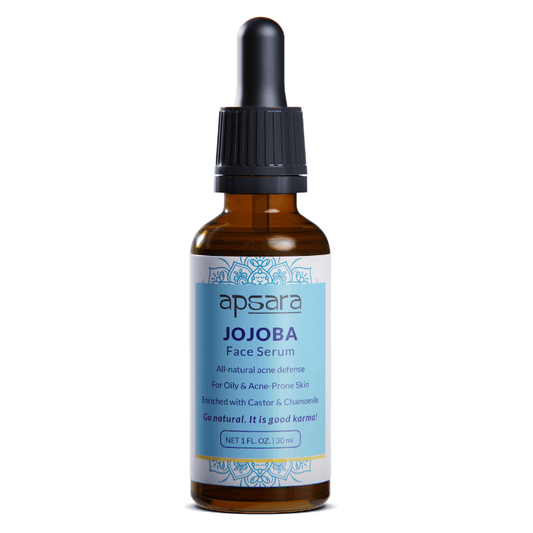
One of the first products I created for myself was a jojoba-based facial serum.
I was nervous to use it because I had been conditioned to believe that oil and blemish-prone skin simply did not belong together.
But what I experienced completely changed the way I thought about skincare.
My skin began to feel more balanced, more comfortable, and much better nourished. Instead of constantly trying to dry my skin out, I was finally giving it something it had been missing.
That is the myth I want to challenge today:
Good botanical oils are not automatically bad for oily or blemish-prone skin.
The right oils can become an important part of a balanced skincare routine.

Oil-based nourishment can plump out lines wrinkles and prevent rapid skin aging
As skin matures, it naturally becomes drier and less supple, which can make lines and wrinkles appear more pronounced.
This is where rich botanical oils can be incredibly valuable. Oils such as wheat germ oil provide essential fatty acids and antioxidant-rich vitamin E that deeply nourish the skin, help reduce moisture loss, and support a softer, fuller-looking appearance. When the skin is well nourished and able to hold onto moisture, it can look smoother, plumper, and more resilient. For me, wheat germ oil is one of those beautiful Ayurvedic-inspired ingredients that can make mature skin look noticeably more comfortable, radiant, and youthful over time.
Skin needs more than cleansing.
It needs nourishment.
It needs support.
It needs the right balance of moisture and natural oils to maintain a healthy-looking surface.
When the skin is repeatedly stripped with overly harsh products, it can begin to feel tight, dry, uncomfortable, and imbalanced. That is not the goal of good skincare.
The goal is to leave the skin feeling clean but still nourished.
This is where high-quality botanical oils can be so valuable.
Oils help soften the skin, support its moisture barrier, and reduce the look of dryness. When the skin is properly nourished, it can appear smoother, plumper, and more radiant.
And that healthier-looking glow does not come from drying the skin into submission. It comes from supporting it.

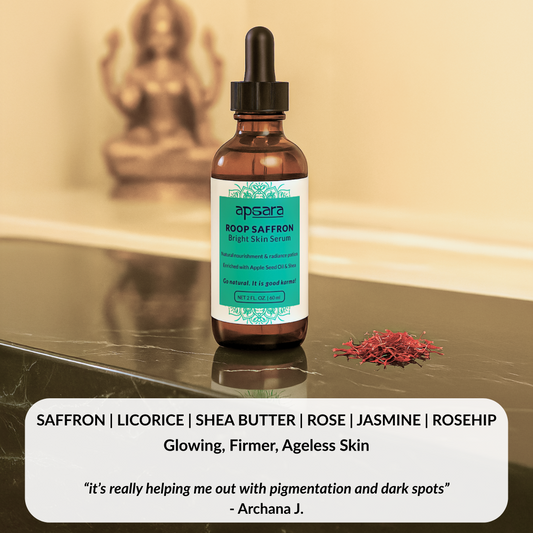
How rosehip oil can be the perfect rescue for dull-looking skin and skin prone to blemishes, dark spots, or old scars
Rosehip oil is one of my favorite choices when skin looks dull, uneven, or marked by the appearance of old blemishes, dark spots, or scars.
Naturally rich in vitamin A compounds and essential fatty acids, it supports skin renewal while deeply nourishing the surface. This makes rosehip especially valuable for skin resurfacing, helping the complexion look smoother, fresher, and more even over time. Its abundance of beneficial fats also helps replenish dry, depleted skin and support softness and resilience.
For me, rosehip oil is a beautiful choice when the skin needs both renewal and nourishment in the same step.

Why jojoba and grapeseed oils work so well for combination skin
Combination skin needs balance: enough nourishment for the drier areas without overwhelming the oilier parts of the face. Jojoba oil is a beautiful choice because its composition is similar to the skin’s natural sebum, allowing it to condition the skin without feeling excessively heavy.
Grapeseed oil is equally useful because it is lightweight, rich in beneficial fatty acids, and absorbs easily. Both oils help soften and nourish the skin while supporting a more balanced, comfortable-looking complexion—making them especially well suited to combination skin that can feel oily in some areas and dry in others.

Good Fats Are Beautiful for the Skin
Botanical oils naturally contain fatty acids that help nourish the skin.
Some of the important fats found in plant oils include:
These fatty acids help support the skin’s natural barrier and contribute to a softer, more supple appearance.
When the barrier is well supported, the skin is better able to hold onto moisture. And when the skin retains moisture well, it naturally looks fresher and more radiant.
That is why facial oils can be so transformative when they are chosen and used correctly.

Stop Thinking That Drying the Skin Is the Answer
One of the biggest lessons I have learned is that aggressively drying the skin is rarely the answer.
Even if your skin is oily.
Even if it is prone to blemishes.
Even if you have spent years reaching for products labeled “oil-free.”
Your skin still needs nourishment.
The key is not to avoid oils completely. The key is to choose the right oils and use them in a way that supports your individual skin type.
That is a much more balanced approach.

A Better Way to Think About Facial Oils
Instead of asking:
“Will oil make my skin worse?”
I encourage you to ask:
“Which oil is best suited to what my skin needs?”
Jojoba can be a beautiful choice for oily or blemish-prone skin.
Wheat germ can deeply nourish mature or dry skin.
Rosehip can support renewal and a smoother-looking complexion.
The beauty of Ayurveda is that it does not ask us to treat every skin type the same.
It asks us to observe, understand, and nourish.
That is the kind of skincare philosophy I believe in.
Listen to the full podcast episode to hear more about my personal experience with facial oils and why I believe they deserve a place in a natural skincare routine.
And make sure to subscribe to the Apsara Skin Care Podcast on Apple Podcasts and Spotify for more Ayurvedic skincare wisdom, natural remedies, and beauty tips.